
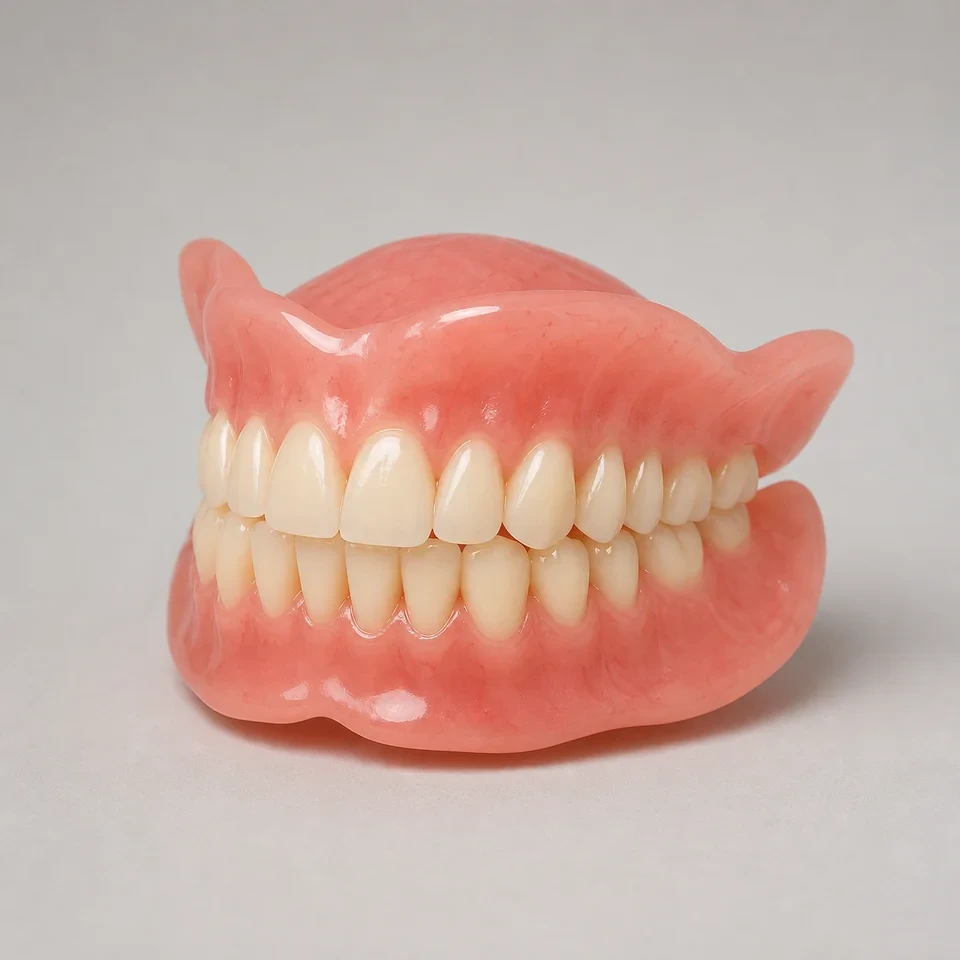
Full Dentures
Complete and immediate full dentures produced from records, with tooth setup, shade and bite coordinated before finishing.
Details at a Glance
| Restoration type | Removable — complete denture |
|---|---|
| Material options |
|
| Design options |
|
| Commonly considered for |
|
| Records to supply |
|
| Quality focus |
|
| Turnaround | Removable cases are scheduled by record completeness and any try-in stages required. |
What Full Dentures Are
A full denture dental lab China workflow produces complete removable prostheses that replace all teeth in an upper or lower arch with an acrylic base and set denture teeth. At KC Dental Lab a full denture is built from the clinician’s records rather than from assumptions: impressions or scans, bite registration, vertical dimension and shade are coordinated before the teeth are arranged and the base is processed. The restoration restores appearance, speech and masticatory support for the edentulous arch, and its success depends on stable records and a setup the clinician can review. Complete dentures, immediate dentures and replacement or duplicate dentures are all handled through the same record-driven pathway, and a full denture dental lab China case is always assessed on the records supplied.
Who It Suits
Full dentures suit clinicians and laboratories managing completely edentulous patients, or those transitioning a patient from a failing dentition to a complete removable prosthesis. They are appropriate when a fixed or implant option is not chosen, when an immediate denture is needed at extraction, or when an existing denture must be copied or replaced. The workflow also helps when a try-in stage is wanted to confirm esthetics and bite before final finishing. Typical professional and workflow contexts include:
- General dental clinics providing complete dentures for edentulous patients.
- Practices placing an immediate denture at the time of extraction.
- Reference laboratories producing duplicate or replacement dentures from records.
- DSO groups standardizing complete-denture protocols across locations.
Indications Commonly Considered
- Complete upper or lower dentures for the edentulous arch.
- Immediate dentures placed following tooth removal.
- Replacement or duplicate dentures from an existing reference.
- Combined cases coordinated with partial frameworks where needed.
- Cases where a wax or digital try-in is requested before finishing.
- Situations needing base and tooth characterization for natural appearance.
Material and Design Options
The denture is built from material categories matched to the prescription. Options include:
- Conventional heat-cured acrylic base with denture teeth.
- Digital try-in, printed try-in or milled denture options where applicable.
- Denture tooth mold and shade selected to the prescription.
- Customized pink acrylic characterization when requested and confirmed.
What the Case Needs
The following records let the setup and base be produced as planned:
- Primary impressions or scans of the arch to be restored.
- Bite registration and vertical dimension records.
- Shade and tooth mold selection for the setup.
- Midline, tooth position and any special notes.
- Photos or existing denture references where helpful.
- Try-in needs and final delivery expectations.
Digital Workflow Requirements
A clear digital record supports an accurate setup and try-in. Expected inputs are:
- STL, PLY or OBJ files when the case uses digital records.
- Bite and vertical dimension information supplied with the scan.
- Opposing arch and reference photos where useful.
- Clear midline, smile line and tooth-position guidance.
- Digital setup or try-in file for review before processing.
Compatibility to Confirm
These points are confirmed so the case is produced to the right plan:
- Whether the case is complete, immediate or duplicate in type.
- The arch or arches involved and any opposing dentition.
- The try-in pathway the clinician wants before finishing.
- Any implant or partial combination that affects the design.
Quality Checkpoints
- Record completeness, cast or scan quality and denture extension.
- Bite, vertical dimension, midline, smile line and tooth setup.
- Occlusion, articulation and approved try-in changes.
- Base finish, borders, tissue surface, polish and packaging.
- Fit and stability reviewed before the case is dispatched.
- Cleanliness and prescription consistency checked at final.
Turnaround Variables
Removable denture time is shaped by record completeness and whether a try-in stage is required before final processing. A case that arrives with clear impressions, a verified bite, defined vertical dimension and an approved setup moves forward more directly, while cases needing a wax or digital try-in, revised tooth position or corrected records take longer. Immediate and combined cases add planning steps, and shipping destination is part of the overall window, so the realistic schedule is confirmed per case after the records are reviewed.
Common Questions
Is a try-in needed before the final denture?
A try-in or digital setup review is often useful when bite, vertical dimension, tooth position or esthetics need confirmation before final processing.
What if the records are unclear?
The case should be clarified before final setup; new or corrected records may be needed because the laboratory cannot infer an uncertain clinical relationship.
Can an existing denture guide the new one?
Photos, scans and references from an existing denture support discussion, but the new prescription and current clinical records remain necessary.
How are shade and mold chosen?
Shade and mold are selected to the clinician’s prescription, with characterization added where requested and confirmed for the patient.
Next Step
Send the arch records, bite, vertical dimension, tooth and gingival shade references, plus the preferred try-in pathway for review. Working with a full denture dental lab China team means the case is assessed on its records, and you can send a case, explore our removable restorations program, or read the acrylic versus flexible partial comparison before starting.
Related products
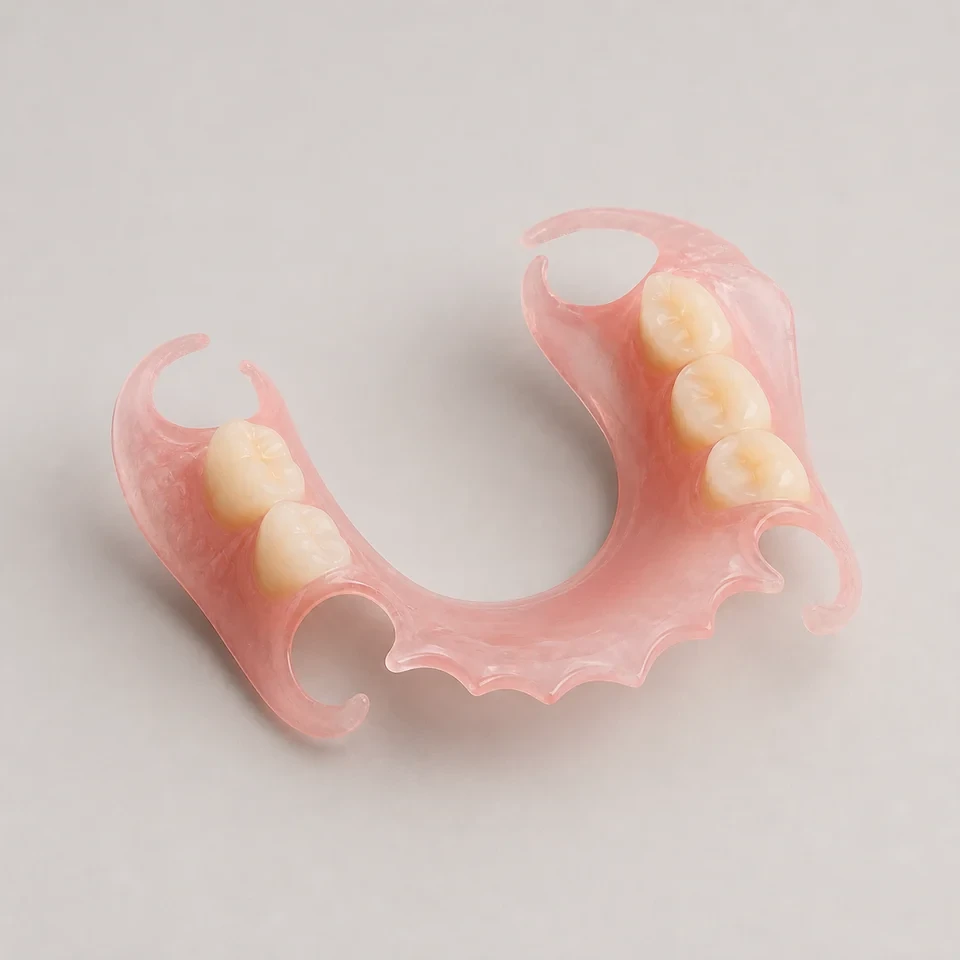
Flexible Partials
Flexible partial dentures designed from records, with clasp planning, shade and fit coordinated before production.
View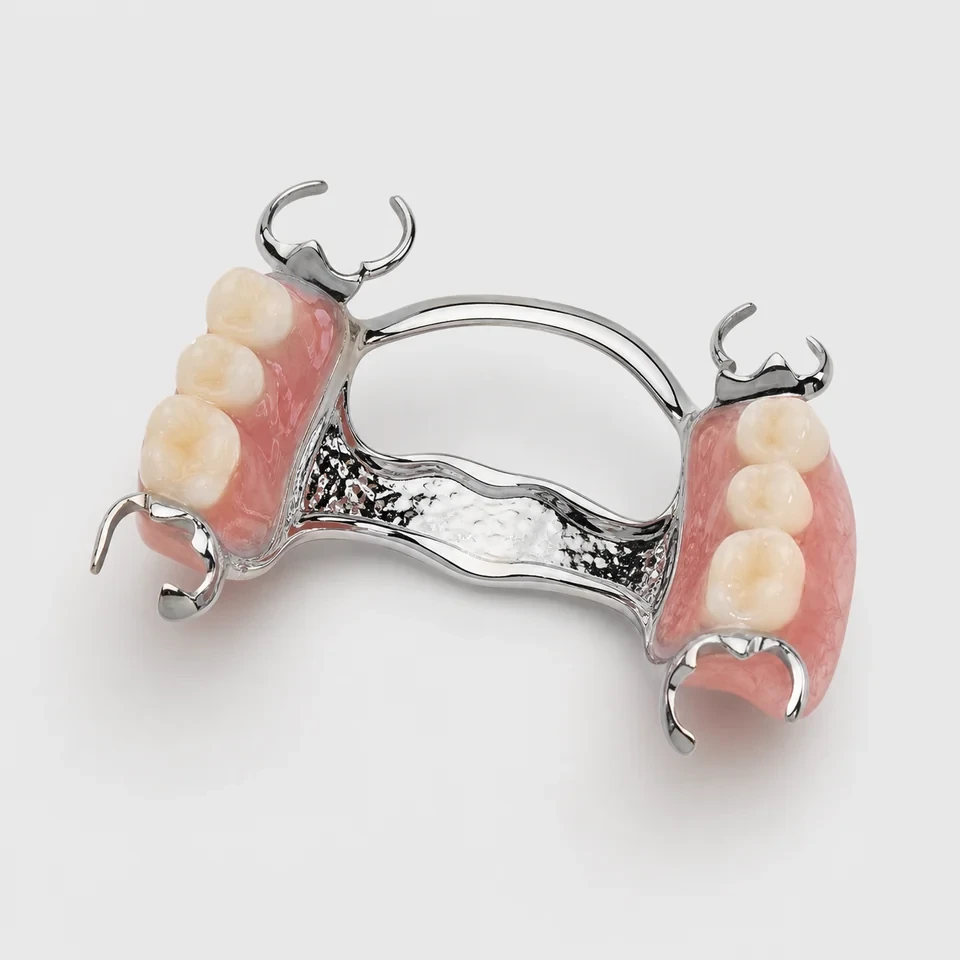
Cobalt Chrome Partials
Cobalt chrome frameworks and partial dentures designed from survey records, with fit and occlusion checked before finishing.
View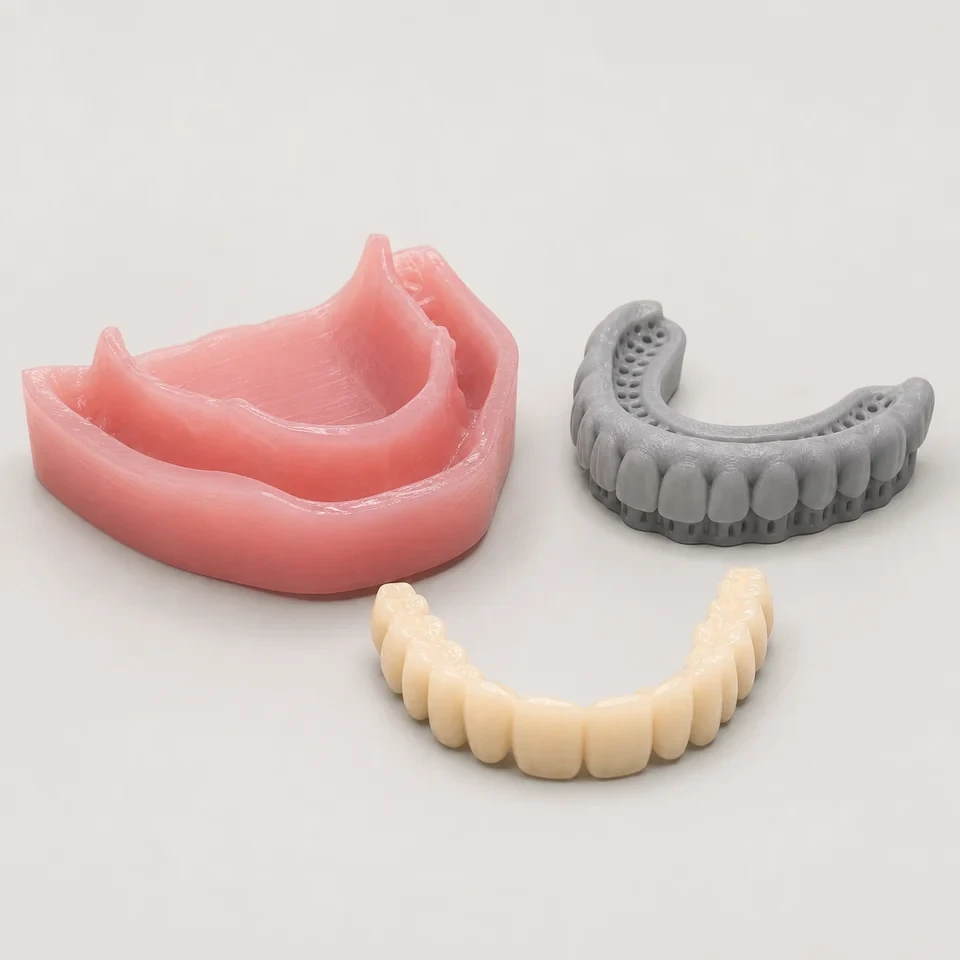
Digital Denture Support
Digital denture workflows supported from records through setup review, with bite, shade and fit confirmed before final production.
View