
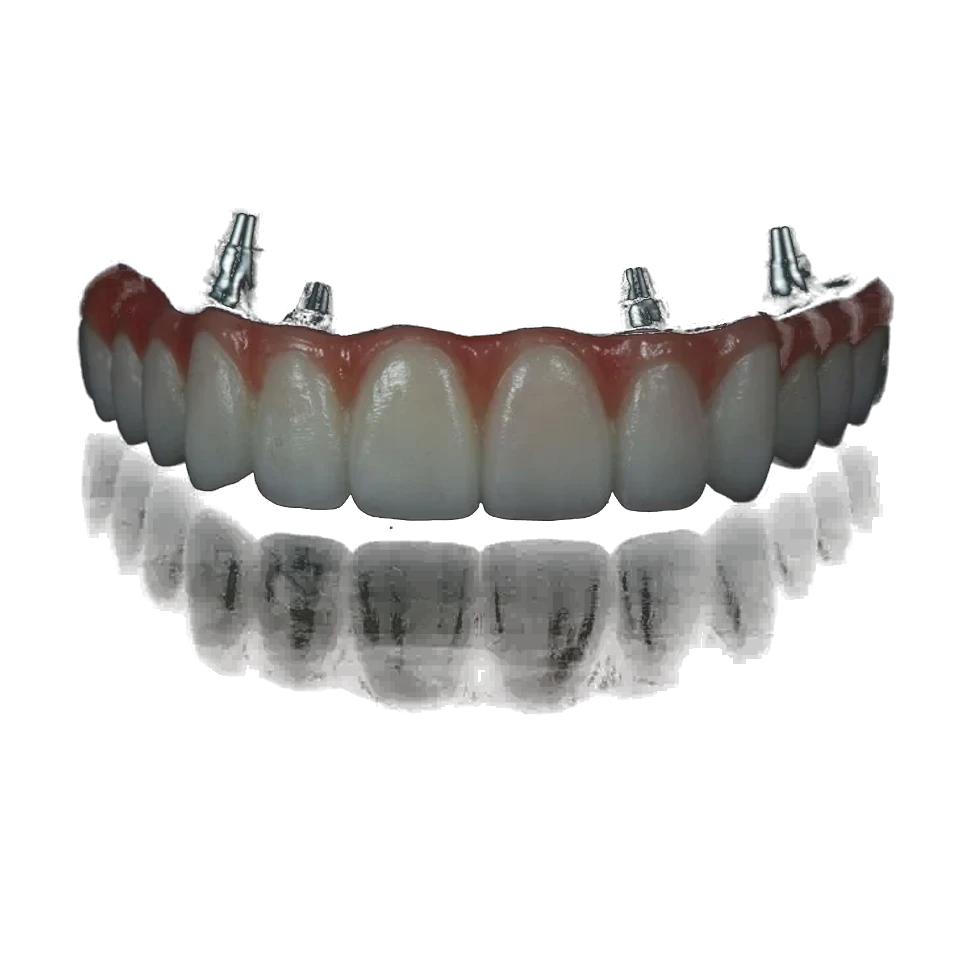
Temporary Crowns and Bridges
Interim crowns and bridges in milled PMMA, printed resin or acrylic, produced from digital files or models to cover preparations between appointments.
Details at a Glance
| Restoration type | Fixed restoration — interim (temporary) crown and bridge |
|---|---|
| Material options |
|
| Design options |
|
| Commonly considered for |
|
| Records to supply |
|
| Quality focus |
|
| Turnaround | Interim cases are scheduled by unit count, production route and how quickly the records are supplied. |
What Temporary Crowns and Bridges Are
A temporary crown and bridge dental lab produces interim restorations that cover prepared teeth between appointments, protecting the preparation and maintaining the occlusal relationship while a definitive restoration is made. Interim units can be milled from PMMA, printed in resin or produced in acrylic from a model, and KC Dental Lab supports these cases by reviewing the preparation, the bite and the intended definitive plan before production. The aim is to provide predictable interim coverage rather than a finished long-term restoration.
Interim restorations matter because they hold the space, protect the preparation and let the clinician and the patient review shape and shade before the definitive work is committed. Because they are produced on a shorter cycle than a definitive restoration, the records still need to be complete so the unit seats correctly and holds the intended occlusion. The laboratory reports any preparation or bite issue that could affect seating before the units are made.
Who It Suits
This service suits practices that need interim coverage during staged treatment, and laboratories that want provisional units produced from a digital design rather than chairside. It also fits groups standardizing a provisional protocol across locations and distributors sourcing interim restorations for several practices.
- Clinics needing interim coverage while definitive work is produced
- Laboratories producing provisional units from digital files or models
- Practices staging treatment across several appointments
- Dental groups standardizing a provisional protocol across locations
Indications Commonly Considered
Interim crowns and bridges are usually considered wherever a preparation needs protection or a trial before definitive production. Typical requests include the following.
- Interim coverage between preparation and definitive placement
- Provisional restorations during staged or implant treatment
- Immediate coverage after preparation on the same day or shortly after
- Shape and shade trials before definitive work is confirmed
- Protection of a preparation while a decision is being made
- Provisional units for a full-arch or multi-unit treatment plan
Material and Design Options
The production route is the main design decision, because milled, printed and acrylic interim units have different strengths and finishes. The shade can be selected to approximate the definitive plan, and the design can range from a single unit to a full-arch provisional. Where a case calls for added reinforcement or a hollow design, it is confirmed on the prescription.
- Milled PMMA for a consistent machined fit
- Printed resin for a fast digital route
- Acrylic resin produced from a model
- Shade selected to approximate the definitive restoration
- Reinforced or hollow design where the case requires it
What the Case Needs
A complete submission shortens the review stage and reduces the chance of a reseat. The following records help the laboratory plan the interim units accurately.
- Tooth numbers and target shade recorded on the prescription
- Preparation scans or impressions showing the margin clearly
- Opposing arch and bite records for articulation
- The intended definitive material and timeframe if known
- Notes on any provisional design already in place
- Any reinforcement or hollow design request stated before production
Digital Workflow Requirements
- STL, PLY or OBJ scan of the prepared and opposing arches
- Bite registration so the interim occlusion matches the records
- Any existing provisional design file where one is available
- Notes on the occlusal scheme to be maintained
- Implant information for interim units over implants
Compatibility to Confirm
- Available space for the interim material and its reinforcement
- Whether the interim unit sits over an implant and which connection applies
- The definitive material plan, so the interim shade approximates it
- Retention expectations while the interim unit is in service
Quality Checkpoints
Every interim crown or bridge passes a defined set of checkpoints before dispatch, because interim fit and occlusion affect the definitive result. The reviews below confirm that the unit seats correctly, holds the intended occlusion and matches the request, and any point that cannot be confirmed is raised with the requesting party rather than assumed.
- Fit and retention checked on the die or printed model
- Proximal contacts and occlusion checked against the provided records
- Shade and surface reviewed against the stated request
- Thickness and reinforcement verified where required
- Finish and polish reviewed before packaging
- Prescription consistency checked before the case is dispatched
Turnaround Variables
Interim scheduling depends on unit count, the production route and how quickly the records are supplied, rather than a fixed interval. A milled or printed unit moves through a shorter sequence than an acrylic unit built from a model, and the number of units affects bench time. The completeness of the preparation and bite records also shapes the confirmed timing.
Where a full-arch or multi-unit provisional is requested, additional review time is reflected in the confirmed timing. A single-unit interim usually moves through fewer stages than a multi-unit run, and the schedule is confirmed once the prescription, files and design details are complete. KC Dental Lab discusses the expected sequence with the requesting party before production begins.
Common Questions
How long is an interim restoration meant to last?
An interim restoration is designed to provide coverage and maintain the occlusion between appointments rather than to serve as a long-term restoration. The clinician manages how long it stays in service and when the definitive unit is placed.
Can interim units be shaded to match the definitive plan?
The shade can be selected to approximate the definitive material, and where the definitive shade is known it is supplied on the prescription. The interim shade is an approximation rather than an exact match.
Which production route should be used?
Milled PMMA gives a consistent machined fit, printed resin offers a fast digital route, and acrylic suits model-based production. The route follows the case, the records available and how quickly the unit is needed.
Are interim units suitable for full-arch cases?
Yes, full-arch provisionals can be produced, and where reinforcement is needed the design is confirmed on the prescription so the unit holds up while it is in service.
Next Step
Send your temporary crown and bridge case with the preparation scan, opposing arch and bite records so the interim design and production route can be confirmed. You can compare the crown and bridge service or the zirconia crown, read CAD CAM vs traditional dental lab for workflow context, or send a case to start a review.
Related products
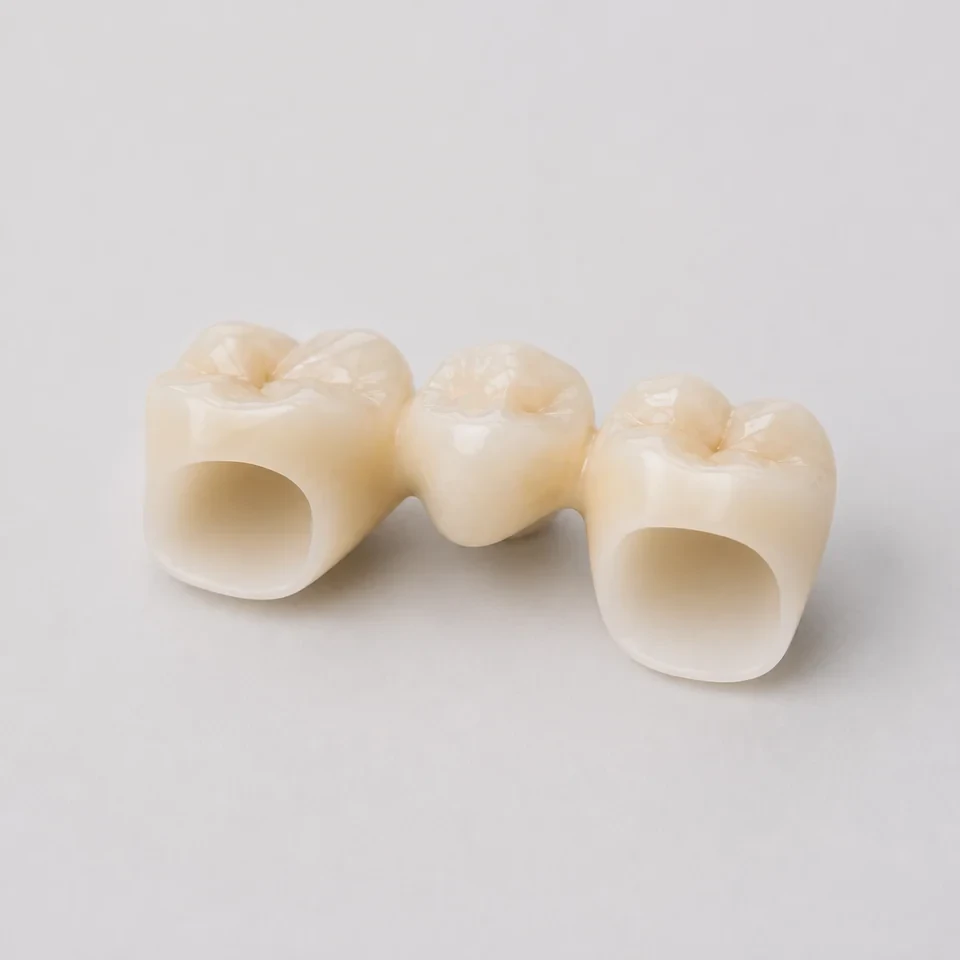
Crown and Bridge
Single crowns and multi-unit bridges in zirconia, PFM or e.max, with connector design and occlusion reviewed before milling.
View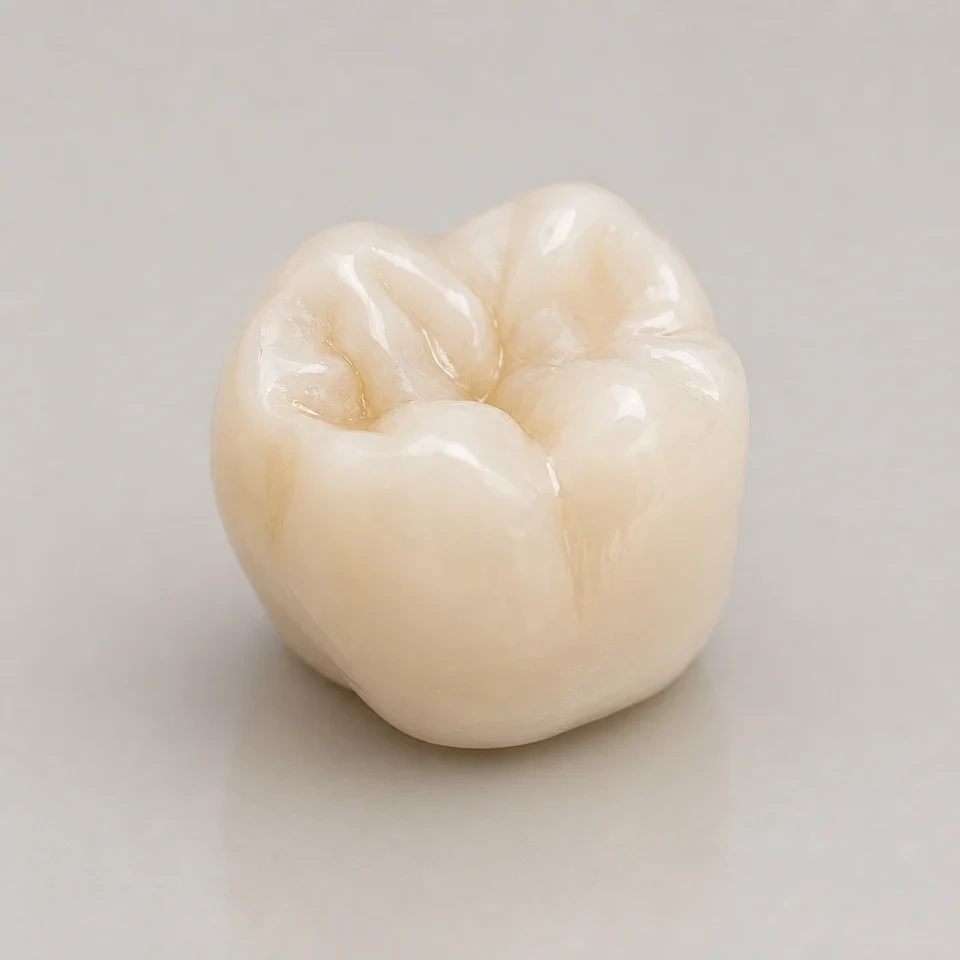
Zirconia Crowns
Full-contour and layered zirconia crowns and bridges milled from approved digital designs, with case-by-case review of margins, contacts, occlusion and material requirements.
View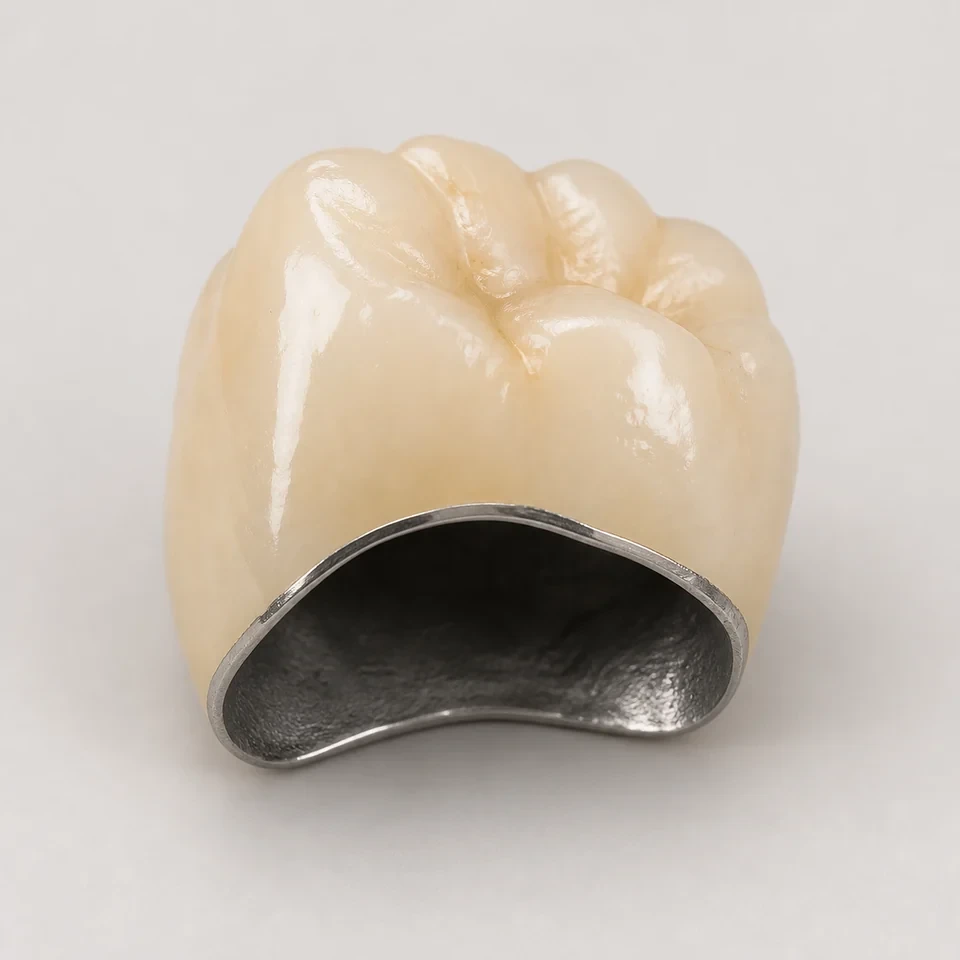
PFM Crowns
Porcelain fused to metal restorations combining a metal coping or framework with a compatible ceramic system, coordinated through framework fabrication, layering and firing.
View