
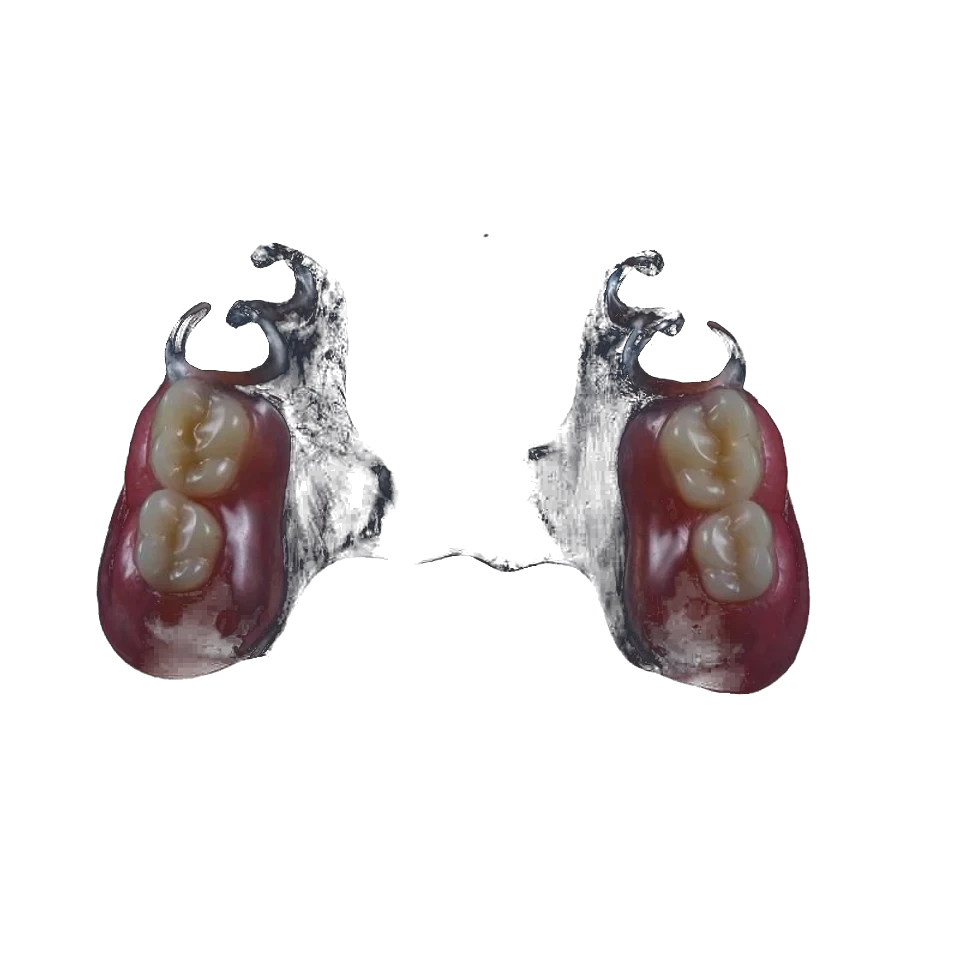
Acrylic Partial Dentures
Partial dentures with an acrylic base and wire clasps, produced from impressions and bite records for interim or transitional coverage.
Details at a Glance
| Restoration type | Removable restoration — acrylic partial denture |
|---|---|
| Material options |
|
| Design options |
|
| Commonly considered for |
|
| Records to supply |
|
| Quality focus |
|
| Turnaround | Acrylic partial cases are scheduled by unit count, setup detail and the records supplied. |
What Acrylic Partial Dentures Are
An acrylic partial denture dental lab produces a partial denture with a heat-cured acrylic base and, where the case calls for it, stainless steel wire clasps that grip the remaining teeth. The acrylic base carries the teeth and adapts to the ridge, which makes it easier to adjust than a cast framework. KC Dental Lab supports these cases by reviewing the impression or scan, the clasping plan and the bite records before production, because the fit depends on accurate ridge and tooth records.
Acrylic partials are often used as interim or transitional restorations, where a lower-cost and easily adjustable option is appropriate while a longer-term plan is confirmed. They can also be used as immediate partials after extractions. Because the base is produced from the record supplied, the review stage confirms the ridge detail, the tooth set and the clasping before the denture is processed.
Who It Suits
This service suits clinicians and laboratories planning interim or transitional partial denture coverage, and where an adjustable acrylic base is appropriate. It fits practices that need a lower-cost partial for a limited period and laboratories that want an acrylic partial produced to a confirmed setup.
- Clinics planning interim or transitional partial coverage
- Laboratories producing acrylic partials from impressions or scans
- Practices needing an immediate partial after extractions
- Dental groups standardizing an interim partial protocol
Indications Commonly Considered
Acrylic partials are usually considered where an interim or adjustable restoration is appropriate. Typical requests include the following.
- Interim or transitional partial denture coverage
- Cases where a lower-cost partial is appropriate
- Immediate partials after extractions
- Situations where an adjustable base is useful
- Replacements of an existing acrylic partial
- Cases where a cast framework is not yet indicated
Material and Design Options
The base material and the clasping are the main decisions, because they define the fit and the retention. The tooth shade and mould are selected per prescription, and the clasping is planned around the remaining teeth. Where a case calls for immediate production or a particular clasp configuration, it is confirmed before the denture is processed.
- Heat-cured acrylic base for a smooth, adaptable fit
- Stainless steel wire clasps where indicated
- Tooth shade and mould selected per prescription
- Immediate or conventional production per case
- Relining and repair discussion where needed
What the Case Needs
A complete submission shortens the review stage and reduces the chance of a remake. The following records help the laboratory plan the base and the setup.
- Impression or scan of the arch and the denture-bearing area
- Bite and vertical dimension records
- Tooth mould and shade selection
- Details of any teeth being extracted where applicable
- Notes on clasping and the coverage required
- Any existing denture the case must match
Digital Workflow Requirements
- STL, PLY or OBJ scan where a digital record is used, with adequate ridge detail
- Opposing arch and a bite registration for articulation
- Notes on clasping and the planned coverage
- Tooth mould and shade references
- Any existing denture scan where a reference is helpful
Compatibility to Confirm
- Ridge form and the remaining teeth, which affect the base and the clasping
- Whether the case is immediate and which teeth are being extracted
- The tooth shade and mould the case should follow
- Local adjustment expectations, since delivery adjustment may be required
Quality Checkpoints
Every acrylic partial passes a defined set of checkpoints before dispatch, because the fit and the setup depend on the records supplied. The reviews below confirm that the base adapts correctly, the clasping suits the remaining teeth and the occlusion matches the records, and any point that cannot be confirmed is raised with the requesting party rather than assumed.
- Base fit and adaptation checked against the ridge detail
- Clasp placement checked against the remaining teeth
- Occlusion and vertical dimension checked against the provided records
- Tooth shade and setup reviewed against the prescription
- Finish and polish reviewed before packaging
- Prescription consistency checked before the case is dispatched
Turnaround Variables
Acrylic partial scheduling depends on unit count, setup detail and the completeness of the records rather than a fixed interval. Because the base is processed from the impression or scan supplied, the clarity of the ridge detail and the number of teeth to be set both affect bench time. The bite records and any immediate-extraction information also shape the confirmed timing.
Where an immediate partial is planned around extractions, additional review time is reflected in the confirmed timing. A straightforward partial replacing a few teeth usually moves through fewer stages than a full setup, and the schedule is confirmed once the prescription, records and setup details are complete. KC Dental Lab discusses the expected sequence with the requesting party before production begins.
Common Questions
How is an acrylic partial different from a flexible one?
An acrylic partial uses a heat-cured acrylic base that is easier to adjust and repair, while a flexible partial uses a thermoplastic material without metal clasps. The choice depends on the remaining teeth, the esthetic need and how the restoration will be used.
Are acrylic partials a long-term option?
Acrylic partials are often used as interim or transitional restorations, and the clinician decides how long one stays in service. Where a longer-term restoration is planned, a cast or flexible framework may be discussed instead.
Can an acrylic partial be relined?
Yes. Relining and repair are discussed per case, and because the base is acrylic it can be adjusted and relined as the ridge changes.
What records should be supplied?
An impression or scan with adequate ridge detail, bite and vertical dimension records, the tooth shade and mould, and any extraction information for immediate cases are the essentials.
Next Step
Send your acrylic partial denture case with the impression or scan, bite records and tooth selection so the base and setup can be reviewed before production. You can compare the flexible partial denture or the cobalt chrome partial denture, read acrylic vs flexible partial dentures for context, or send a case to start a review.
Related products
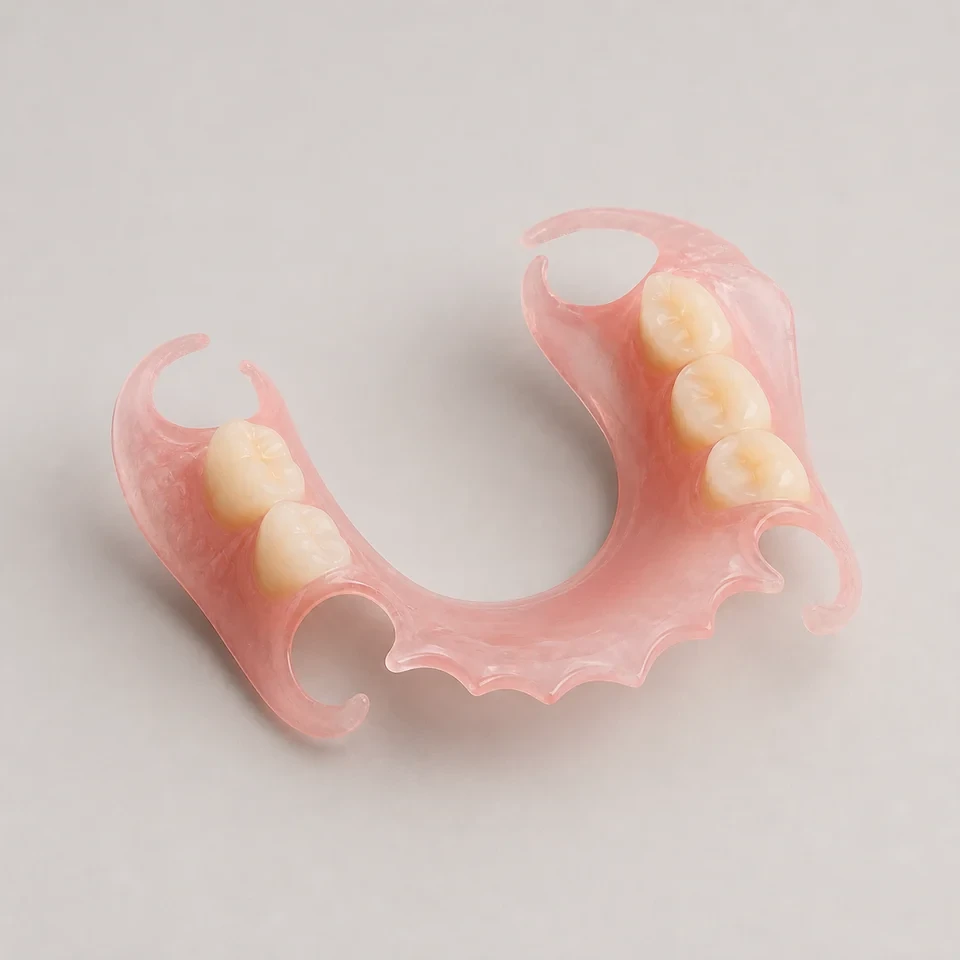
Flexible Partials
Flexible partial dentures designed from records, with clasp planning, shade and fit coordinated before production.
View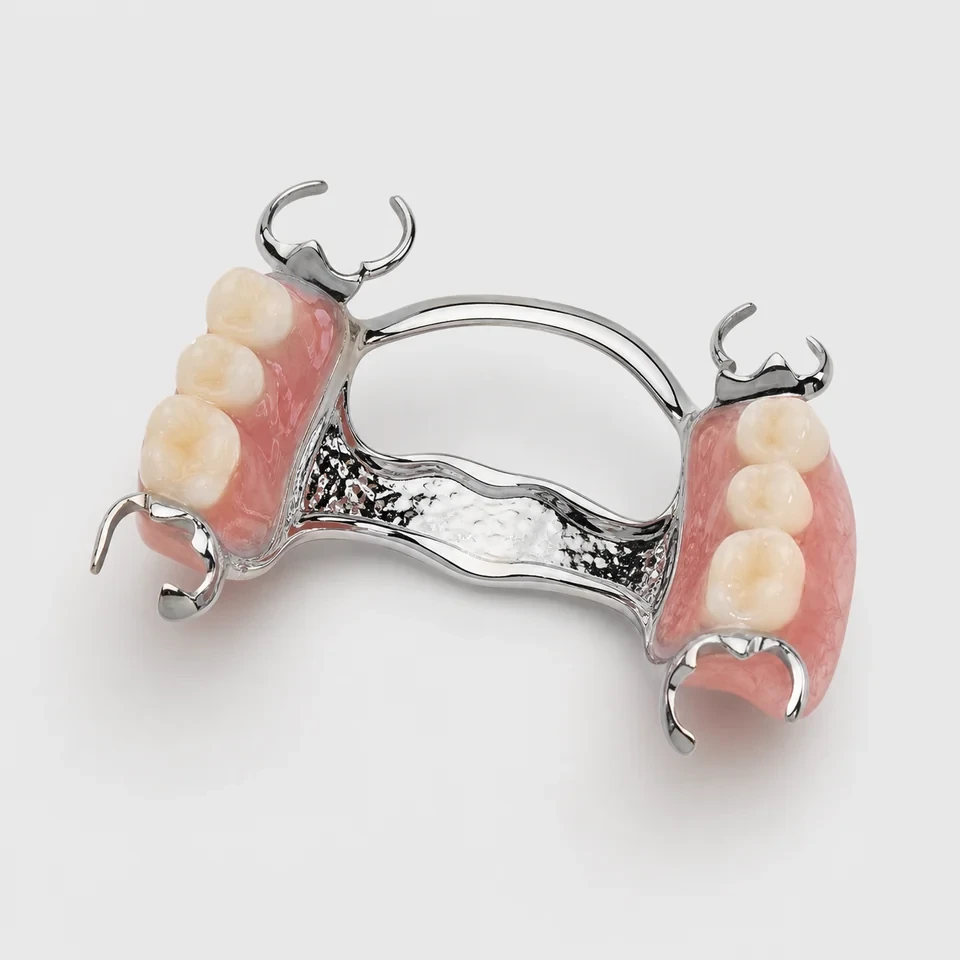
Cobalt Chrome Partials
Cobalt chrome frameworks and partial dentures designed from survey records, with fit and occlusion checked before finishing.
View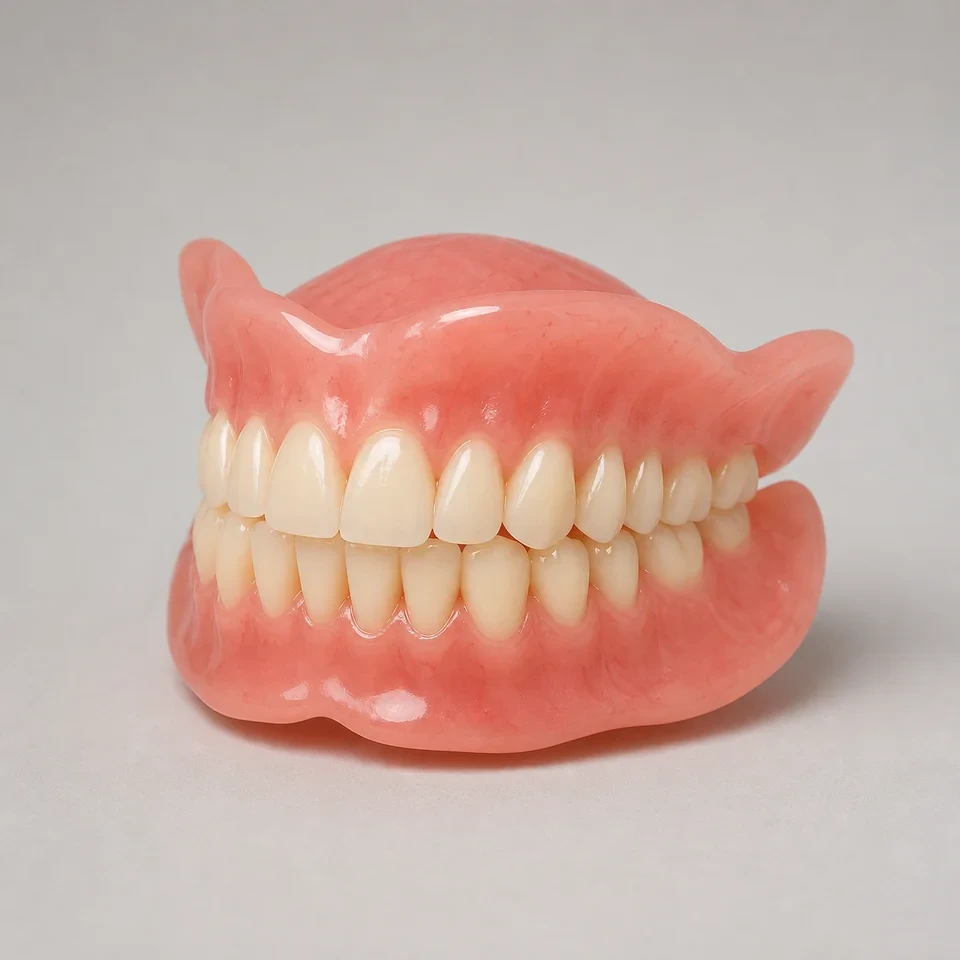
Full Dentures
Complete and immediate full dentures produced from records, with tooth setup, shade and bite coordinated before finishing.
View