
Quality
Dental Lab Quality Control Process
How a structured quality process moves a case from intake to dispatch, why the checkpoints sit where they do, and what each one is meant to catch.
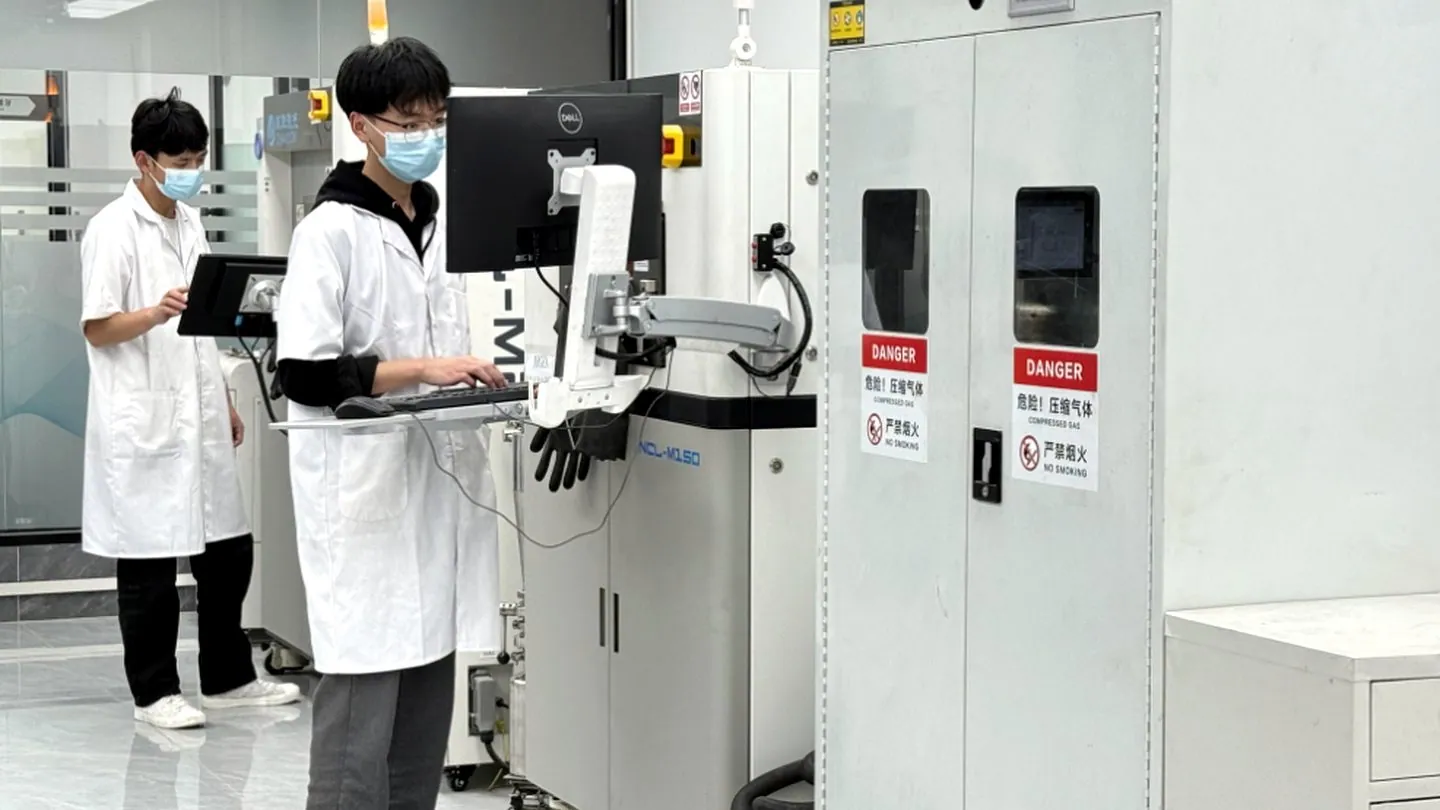
Quality control is often described as a final inspection. That description is misleading, because a final inspection can only accept or reject what has already been made. A process that works places checkpoints where an error can still be corrected — at intake, at design, in production, and only then at final inspection, where the options are narrowest.
This article walks the sequence a case actually follows, and explains why each checkpoint sits where it does.
Why the checkpoint position matters more than the checkpoint count
An error has a cost that grows with how late it is found:
| Found at | Cost to fix |
|---|---|
| Intake | One message to the clinic |
| Design | A design revision, minutes |
| Production | A re-milled or re-finished unit |
| Final inspection | Rework, and the unit misses its dispatch |
| At the chair | A second appointment, a second shipment, and a remake |
The whole purpose of the sequence is to push detection as far left as possible. A laboratory with five checkpoints weighted toward the end of the process is worse than one with three weighted toward the front.
Stage 1: Case intake review
The intake stage confirms the prescription details that drive everything downstream: tooth number, restoration type, material, shade with its system, implant system and connection where relevant, and delivery expectations. Missing or conflicting information is clarified before production begins rather than designed around.
This is also where the case reference is established and where any standing customer instructions are attached, so the case runs against the customer’s recorded standards rather than a default.
Stage 2: Scan and impression review
This is the highest-leverage checkpoint in the entire process, because the scan defines the surface everything else is built on.
For digital cases the review covers margin visibility along the full length of the finish line, scan completeness, occlusal clearance against the prescribed material, bite-record consistency and any implant component mismatch. For conventional cases, impressions and models are checked for the equivalent detail.
Catching a margin problem here costs a targeted rescan. The same problem found after milling costs a remake. The full checklist is in how a dental lab reviews a scan before designing.
Stage 3: CAD design review
Design review covers the elements a design can get wrong:
- Margin placement — where the restoration edge sits relative to the finish line.
- Cement space — enough for the intended luting material, not so much that the unit seats loosely.
- Occlusal clearance and contacts — against the bite record, with contact character checked rather than merely present.
- Proximal contacts — designed for the intended tightness, not simply “touching”.
- Connector dimensions for bridges — a structural requirement set by the material and span, not an aesthetic preference.
- Emergence profile for implant cases — shaped to the soft tissue and the retention method.
Design confirmation can be requested where a case warrants it — an unusual occlusal scheme, a complex implant position or a shade-sensitive anterior case are all good candidates.
Stage 4: Material verification
Material type and product reference are verified against the prescription before production, and batch information is recorded where applicable. This step is what makes a case explainable later: if a restoration is ever questioned, the record should be able to say which material from which batch was used. The detail is in material traceability in a dental lab.
Stage 5: In-process inspection
Rather than one check at the end, checks are applied at each production stage where the work can still be adjusted:
| Stage | What is checked |
|---|---|
| Milling | Surface defects, chipping, dimensional fit on the die or printed model |
| Sintering | Shade and density against the prescribed shade system |
| Staining and glazing | Characterisation and surface finish against the prescription |
| Framework fit | Seating and margins before veneering, where a framework stage exists |
| Denture setup | Tooth position, occlusal relationship and base fit |
| Finishing | Contacts, occlusion and surface condition before final inspection |
Stage 6: Final QC and dispatch verification
The final review is the whole-unit assessment: fit, margin, occlusion, proximal contacts, shade and surface finish. It is performed by a reviewer who did not produce the unit, and the outcome is recorded against the case.
The step-by-step detail of what this inspection examines is in inside a dental lab quality check.
Packing and shipment verification follows, so that tracking information can be provided and so that transit problems can be separated from production problems if they occur — see how restorations are packed and shipped.
Stage 7: Issue review feedback loop
The process is not complete until it can handle a case that came back. A reported issue is reviewed against the original prescription, the submitted records, the production record and the finished unit. Critically, that review also feeds back: a cause that appears more than once is a process signal, not a one-off. The formal process is in the remake and issue review policy.
What makes a quality claim meaningful
A quality process is easy to describe and hard to falsify. Three things separate a real process from a marketing statement:
- Specific checks, not assertions. “Checked against the prescription for margin, contact and occlusion” can be verified against a case; “premium quality” cannot.
- Checkpoints a case can fail. A process with no failure condition is not a process. A unit that can be held back is evidence the check is real.
- Recorded outcomes. A record that says what was checked and when is what makes a later review possible, and it is what makes the process auditable rather than merely claimed.
What this means for your cases
The practical benefit is not a certificate. It is fewer remakes, and clearer communication when a case needs additional information — because the questions are raised at the point where they can still be answered cheaply. If you want to know how a specific restoration type is checked, that can be described for the product in question.
Related reading
- Inside a dental lab quality check — the final inspection in step-by-step detail.
- Material traceability in a dental lab — the record behind each case.
- How to reduce dental remakes — the upstream causes of most remake requests.
- Quality control — how the same process is described to clinic and laboratory customers.