
Outsourcing decisions
How to Choose a Dental Lab in China
Outsourcing to a Chinese dental laboratory can extend your capacity — if you can verify how the lab communicates, controls quality and handles your files. This checklist covers what to confirm before sending a case.
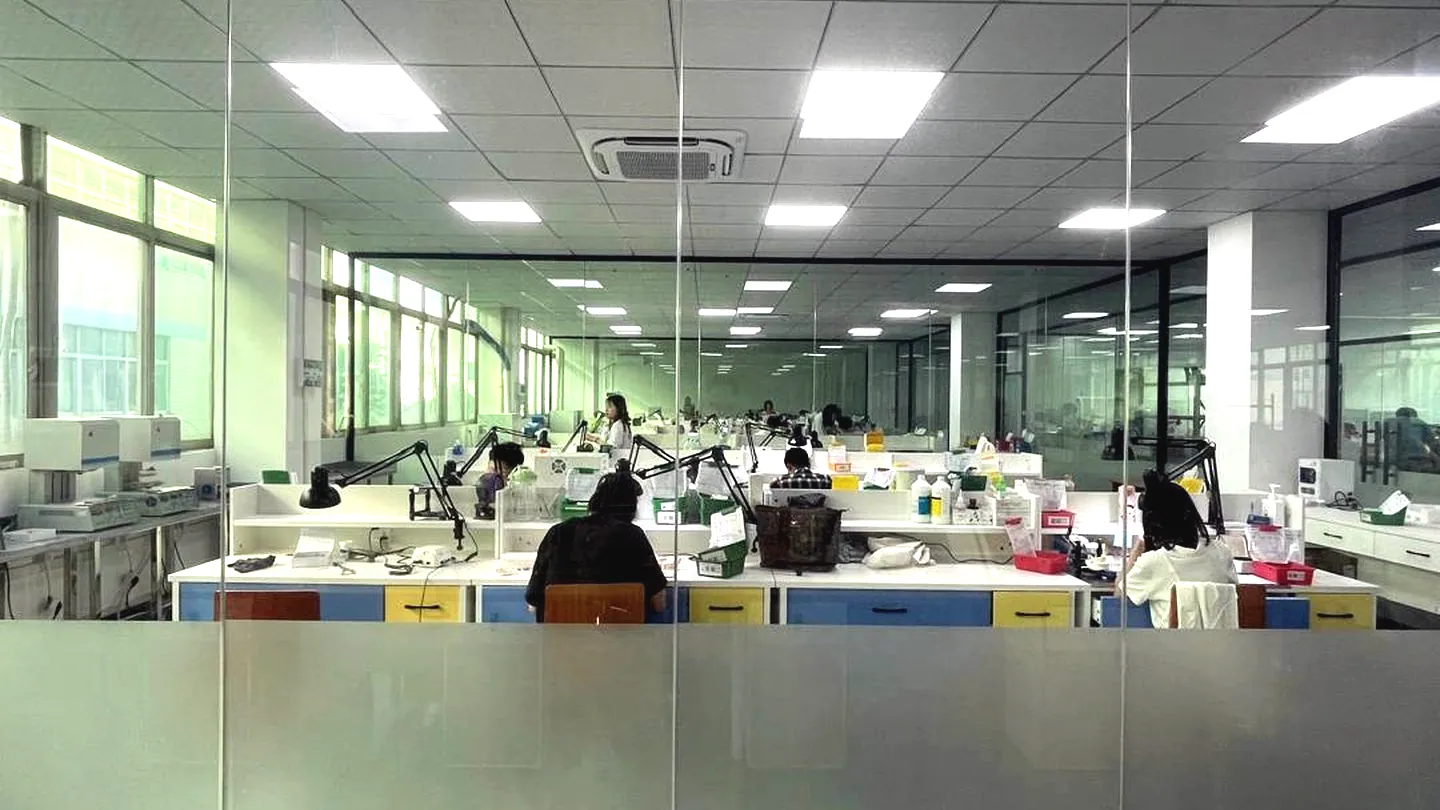
Sending a case to a laboratory in another country raises fair questions: Will the lab follow my prescription? What happens when something needs a remake? How are my files handled? A structured evaluation avoids months of trial and error. For the wider picture, see outsourcing dental cases to China.
1. Start with communication, not price
The first test is how the lab handles your questions before you send any case. Ask a specific technical question — for example, how they confirm connector dimensions on a three-unit zirconia bridge. A lab that answers with a concrete process description is easier to work with than one that answers with a brochure.
Confirm:
- Who your day-to-day contact is, and their working hours relative to yours
- How case instructions are recorded (written prescription, not chat messages alone)
- How remake or adjustment conversations are handled
2. Ask how quality control is organized
Every lab says it checks quality. The useful answer describes the checkpoints, not the slogan. Look for named review steps such as prescription review, margin and seating checks, contact and occlusion verification, and a final inspection before packing.
A practical step: request that the first case be photographed at the final inspection stage, so you can see what “checked” means in that laboratory.
3. Verify the digital workflow
If you scan in-house, confirm:
- Which file formats the lab accepts, and whether scanner-native files are supported
- How implant cases are handled: system libraries, scan body requirements and connection verification
- How design approvals are returned to you before production
Scanner compatibility should be confirmed before the first case, not after.
4. Put turnaround in writing — as a conversation, not a promise
Turnaround depends on restoration type, case complexity and shipping. What matters is whether the lab tells you, per case, when design review happens, when production starts and when the case ships. Treat a fixed turnaround promise for every case as a warning sign rather than a benefit.
5. Send a test case first
A low-risk trial case — a single crown or a small bridge — tells you more than any sales conversation. Evaluate the case communication, the questions the lab asks, the accuracy of the restoration and how problems are raised.
6. Confirm file and case confidentiality
Ask how prescriptions and patient scans are stored and who can access them. Case references rather than patient names make communication safer for both sides.
Next step
If you are evaluating KC Dental Lab, send a test case or request a price list and compare the answers to the checklist above.