
Material comparison
3Y vs 4Y vs 5Y Zirconia: Strength, Translucency and When to Specify
The 3Y / 4Y / 5Y labels describe the zirconia's crystal structure. This guide explains what changes between them and how to match the grade to the case.
The labels 3Y zirconia, 4Y zirconia and 5Y zirconia describe the yttria content that stabilizes the zirconia’s crystal structure, and that content shifts the balance between strength and translucency. A higher yttria level (5Y) gives more light transmission and a more lifelike look, while a lower level (3Y) gives the highest strength but a more opaque body. Knowing what each grade actually does lets you match the blank to the tooth position instead of defaulting to one material for every crown. The choice is a clinical one, and the lab’s role is to confirm the grade is available and milled to the right sintering schedule.
This guide explains the labels, walks through each grade, and covers how to record the choice on the prescription. For the product scope, see zirconia crowns; for how grade connects to monolithic versus layered finishing, see monolithic vs layered zirconia.
What the Y labels refer to
Yttria-stabilized zirconia is named by its yttria percentage: roughly 3 mol% for 3Y, 4 mol% for 4Y and 5 mol% for 5Y. As yttria rises, the tetragonal grain structure allows more light to pass, so translucency improves while flexural strength drops. The three grades are not “newer replaces older”; they are different points on a strength-versus-appearance curve. The correct grade depends on where the tooth sits and how much load it meets.
3Y zirconia
3Y zirconia is the strongest of the three, with the highest flexural strength and the most opaque body. It is the workhorse for posterior molars, long-span bridges and cases with heavy occlusal load or parafunction. Its opacity is a limitation in the smile zone, where it can read flat next to natural enamel, but in the posterior it is rarely a concern. Because it carries load so well, 3Y is often the default for monolithic posterior full-contour crowns where esthetics are secondary to durability.
4Y zirconia
4Y zirconia sits in the middle: somewhat less strong than 3Y but noticeably more translucent. It is a common compromise grade for premolars and for anterior cases that still need real load tolerance, such as cuspids. Many labs reach for 4Y when a monolithic crown must appear in a visible area but the patient’s occlusion is not light. It offers enough strength for most single units while closing much of the esthetic gap that 3Y leaves open.
5Y zirconia
5Y zirconia is the most translucent of the group and the least strong, though it remains stronger than many glass ceramics. It is aimed at anterior single units and thin veneer-style monolithic forms where light transmission matters most. A 5Y crown can look close to natural enamel in the smile line, but it should not be specified for long spans, bruxers or heavy posterior load. Treating 5Y as an esthetic grade rather than a general-purpose one keeps it in the cases where it performs.
Strength against translucency
The trade is direct: every step up in yttria buys translucency and costs strength. A 3Y crown can be thinner at the margin and survive harder contact; a 5Y crown needs a touch more reduction to stay safe and should avoid high-load zones. The lab can advise on minimum thickness for the grade you choose, and the sintering schedule is set to hold the grade’s stated properties. Picking the grade is therefore also a reduction decision, not only a shade decision.
Matching grade to tooth position
A practical rule is posterior and load-bearing equals 3Y, premolar and mixed equals 4Y, anterior and esthetic equals 5Y. Bridge frameworks and cantilevers stay on 3Y for the connector strength. If a single arch mixes positions, the grade can change per tooth, and the prescription should say so rather than implying one blank for the whole case. Matching grade to position is what lets a monolithic workflow reach anterior cases without over-thinning the material.
Bruxism and heavy-load cases
For patients with parafunction, favor the stronger grades: 3Y for molars and 4Y for premolars where some translucency is still wanted. A 5Y crown in a bruxer’s mouth invites chipping at the incisal edge even when the occlusion looks balanced. Note parafunction on the prescription so the lab can confirm the grade and the reduction are conservative enough. Where the opposing dentition is also restored, the lab can check contacts during design to keep load within the grade’s limits.
What to record in the prescription
State the grade per tooth, the target shade including the stump shade, the occlusal clearance available, and any parafunction note. A shade photograph under neutral light helps the lab predict how the chosen grade will read next to adjacent teeth. The grade choice should appear explicitly rather than as a default, because the lab sets blank selection and sintering around it. For bridge cases, also record connector dimensions so the strength grade can be verified.
Verifying the grade you receive
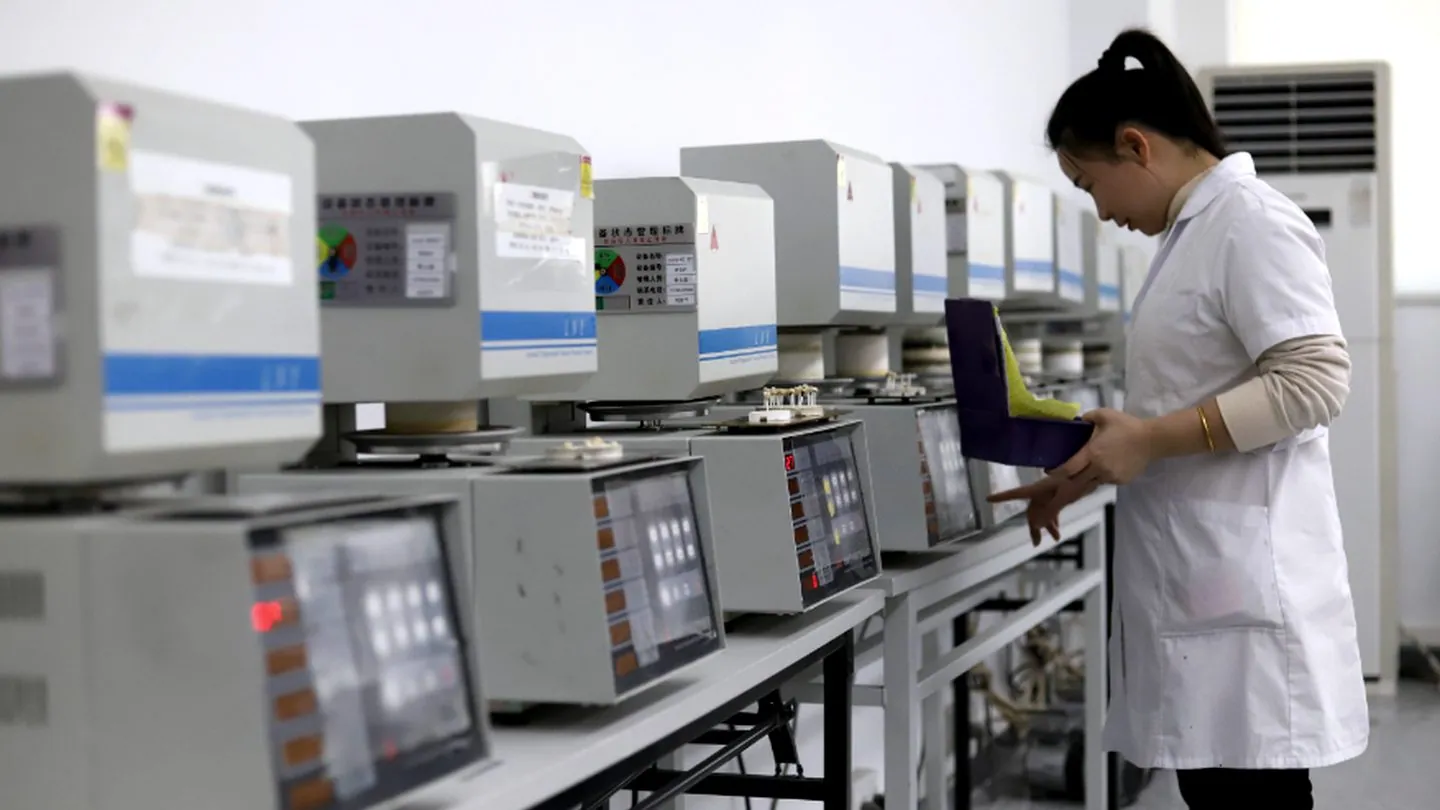
On delivery, the grade should match what was specified, and the lab can confirm the blank lot and sintering schedule on request. Shade and translucency can be checked chairside against your reference photograph; if a 5Y unit reads too opaque or a 3Y too flat, that is a grade or blank issue to raise before cementation. Consistent grading across a case series depends on the same blank family and schedule each time, which the zirconia crown dental lab in China workflow documents for repeat orders.
Next step
Choose the grade from tooth position and load, then write it on the prescription with shade and clearance so the lab mills the right blank. To start a case, send a case with a complete specification, or request a price list to review the available zirconia grades before you decide.